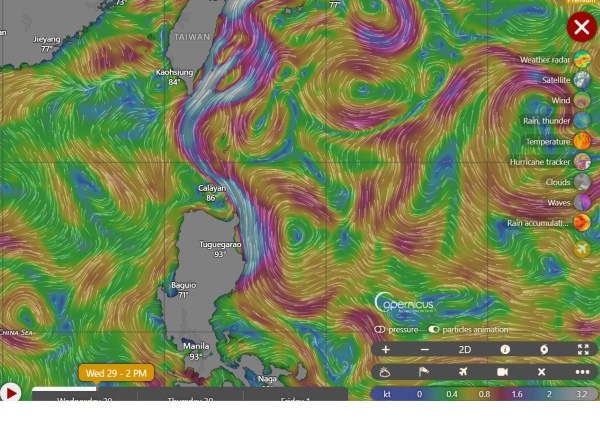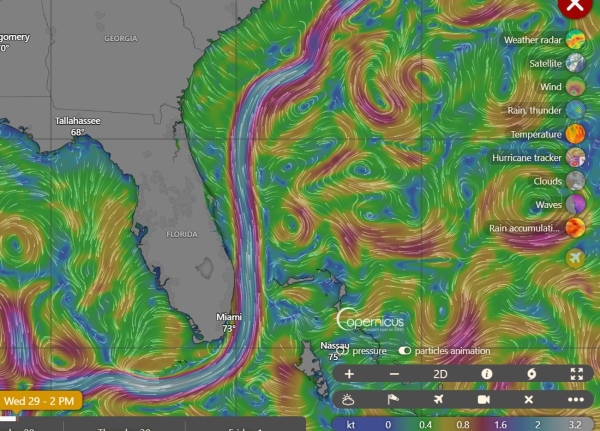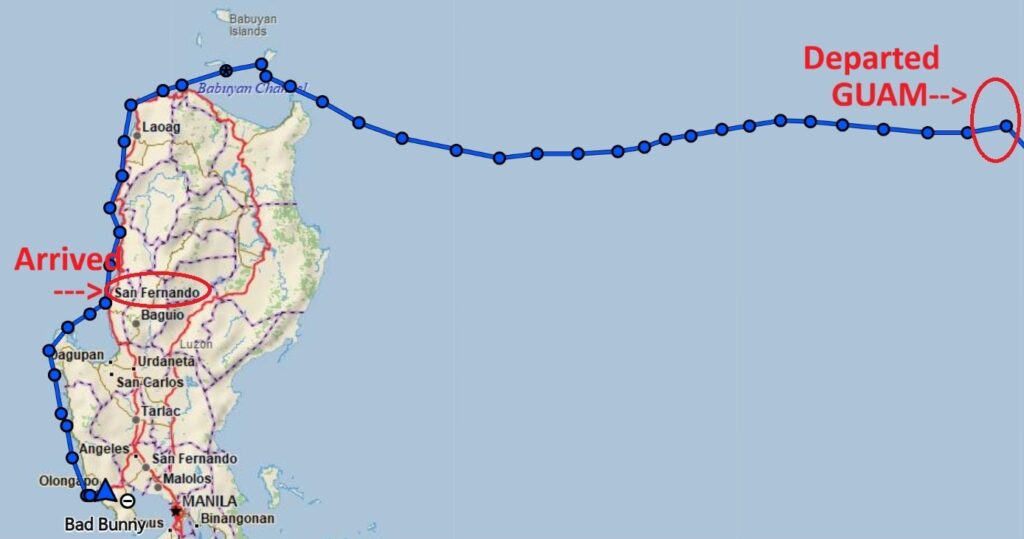
(March 29 – April 13, 2026) Before leaving Guam, a fellow sailor told me about the Kuroshio Current (also known as the “Black” or “Japan” Current). Much like the Gulf Stream in the Atlantic, this current can add or subtract over 3 knots to your speed. By riding it, we maintained a fast moving average of 7.2 knots as we approached the northern Philippines.
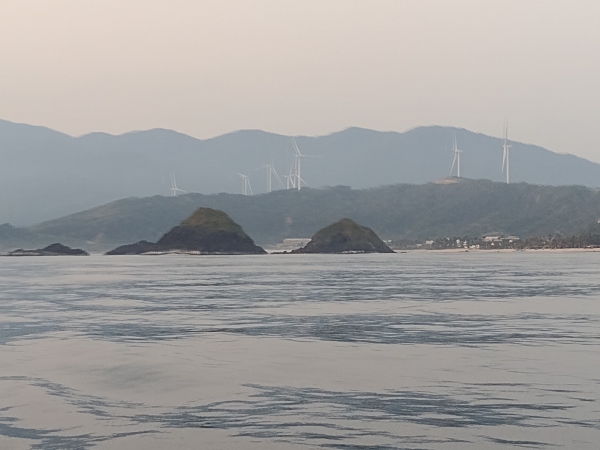
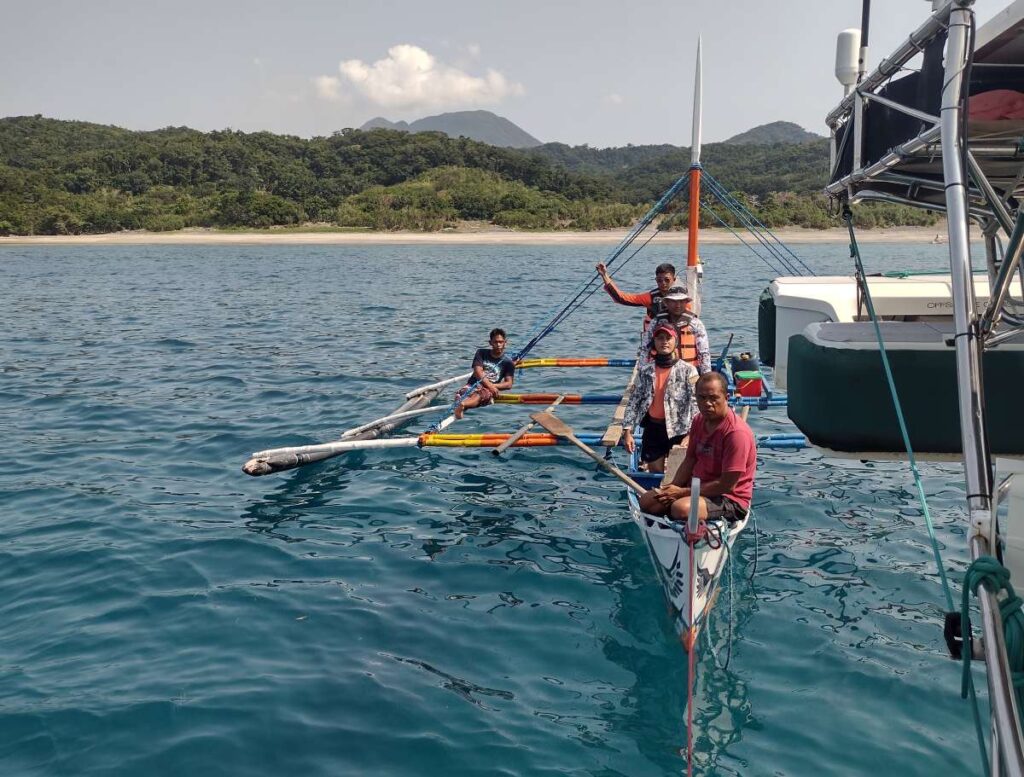
After seven days at sea, we reached the first islands of the Philippines and decided to anchor for a rest. While most countries forbid anchoring before official “clearing in,” the Philippines allows it as long as you remain on the boat.
One thing we noticed immediately: the Philippine Coast Guard is the most active we have ever encountered. You are required to check in with them via radio every time you arrive at or depart from an anchorage.
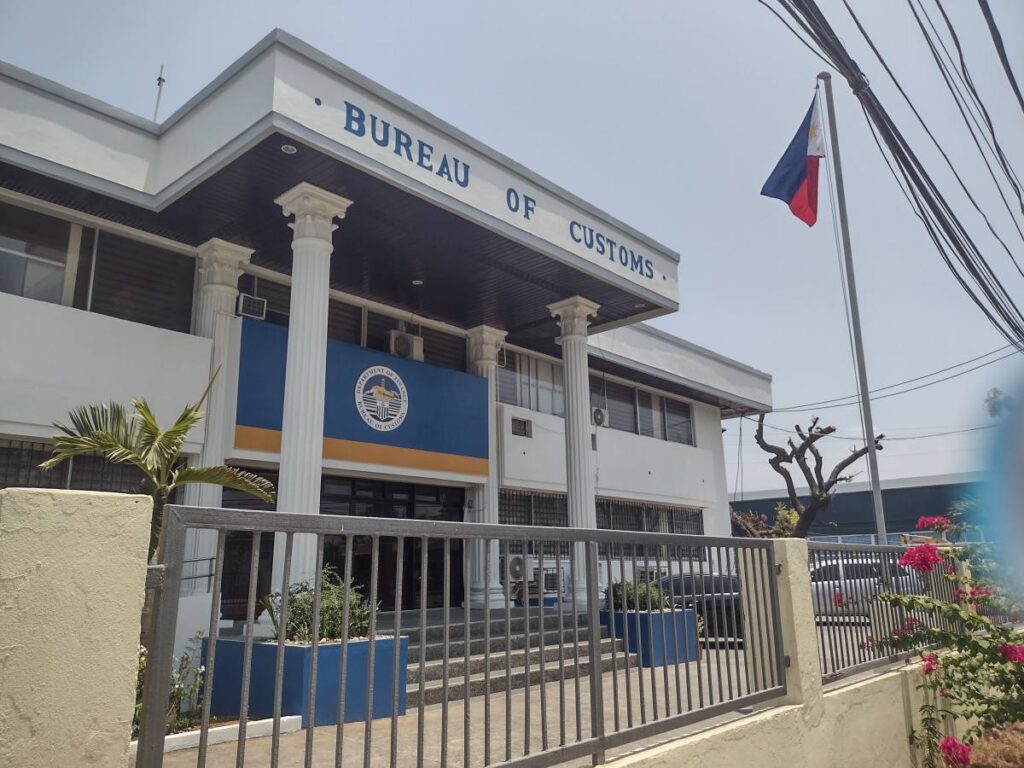
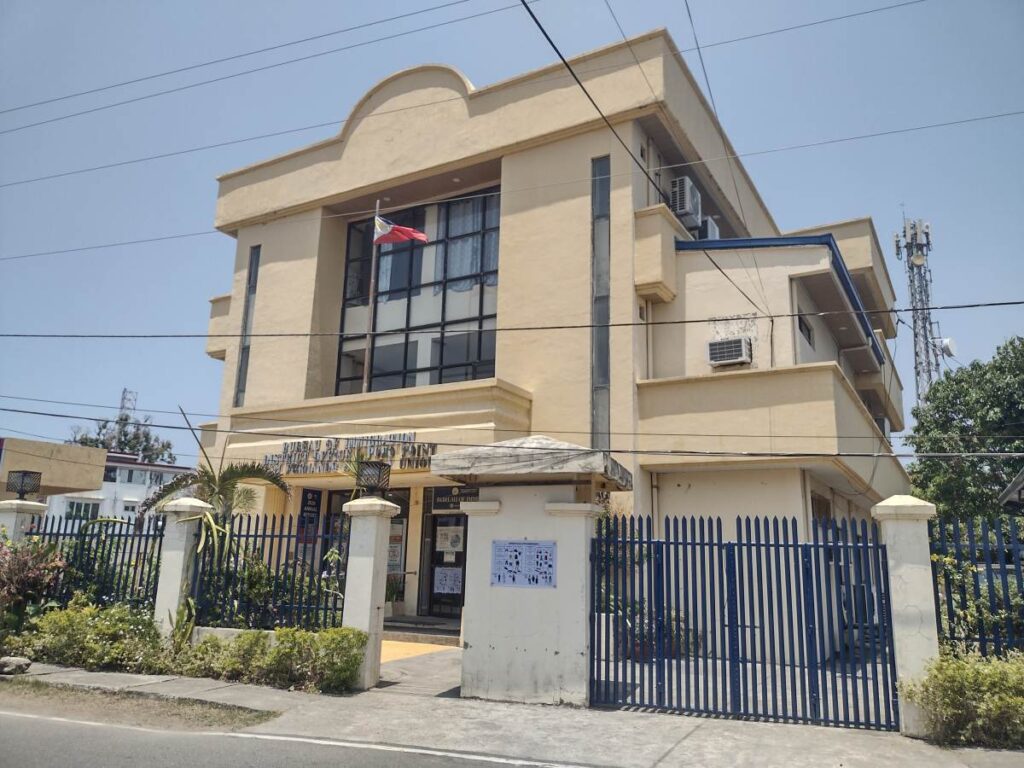
It took another week to reach our official port of entry, San Fernando, La Union. We sailed by day and anchored each night, navigating through a maze of local fishing boats and buoys.
Looking at the map, I was surprised to see that only 200 miles separate Taiwan from the northern Philippines. Now that we are in the South China Sea, the water is much busier. We are sharing these lanes with massive cargo ships traveling the north-south routes between East Asia and Australia.